

The Fuel Crisis Is Squeezing Australian Franchises. Three Things to Do About It.
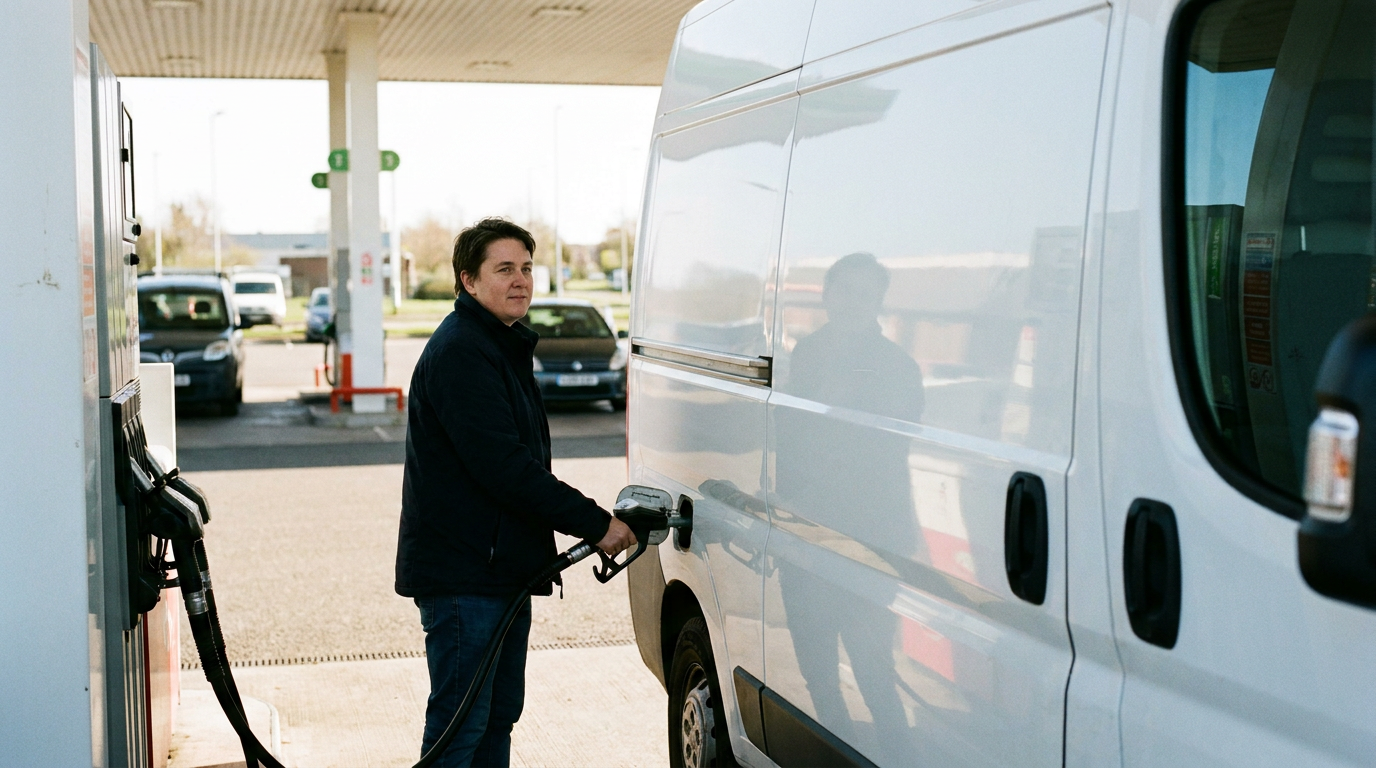
If you run a franchise network in Australia, you already see it in your numbers: the cost of getting products from A to B has gone up sharply since the conflict in the Middle East began, and it's not slowing down.
Disrupted shipping routes through the Red Sea and the Strait of Hormuz have pushed fuel and freight costs up across the country. Even before the Iran conflict started, one in 12 transport businesses closed last year, and almost half of all Australian businesses are now saying the cost impact on their operations is significant or severe.
In April, the Fair Work Commission held emergency hearings in Sydney, with transport groups warning the industry is "on the brink of collapse." Truck drivers are telling reporters that some customers are already refusing to pay the new freight rates. On 20 April, the Fair Work Commission issued the Road Transport Contractual Chain Order (RTCCO), which took effect the following day. It applies to owner-drivers, small fleet operators, and, in some cases, "employee-like" digital platform workers. The RTCCO requires major retailers and entities in the transport chain to compensate truck drivers and subcontractors for diesel costs when fuel prices exceed $2 per litre.
It's worth understanding the timing here. Diesel passed $2 a litre nationally in early March, but the Commission had no legal pathway to act until Parliament passed the Fairer Fuel Act on 2 April, creating an emergency fast-track mechanism for orders like the RTCCO. Notably, the order pegs its baseline back to 6 March, an implicit acknowledgement that the price spike was hitting the supply chain almost two months before the regulator could respond. Franchise networks were absorbing those costs unprotected for that entire window.
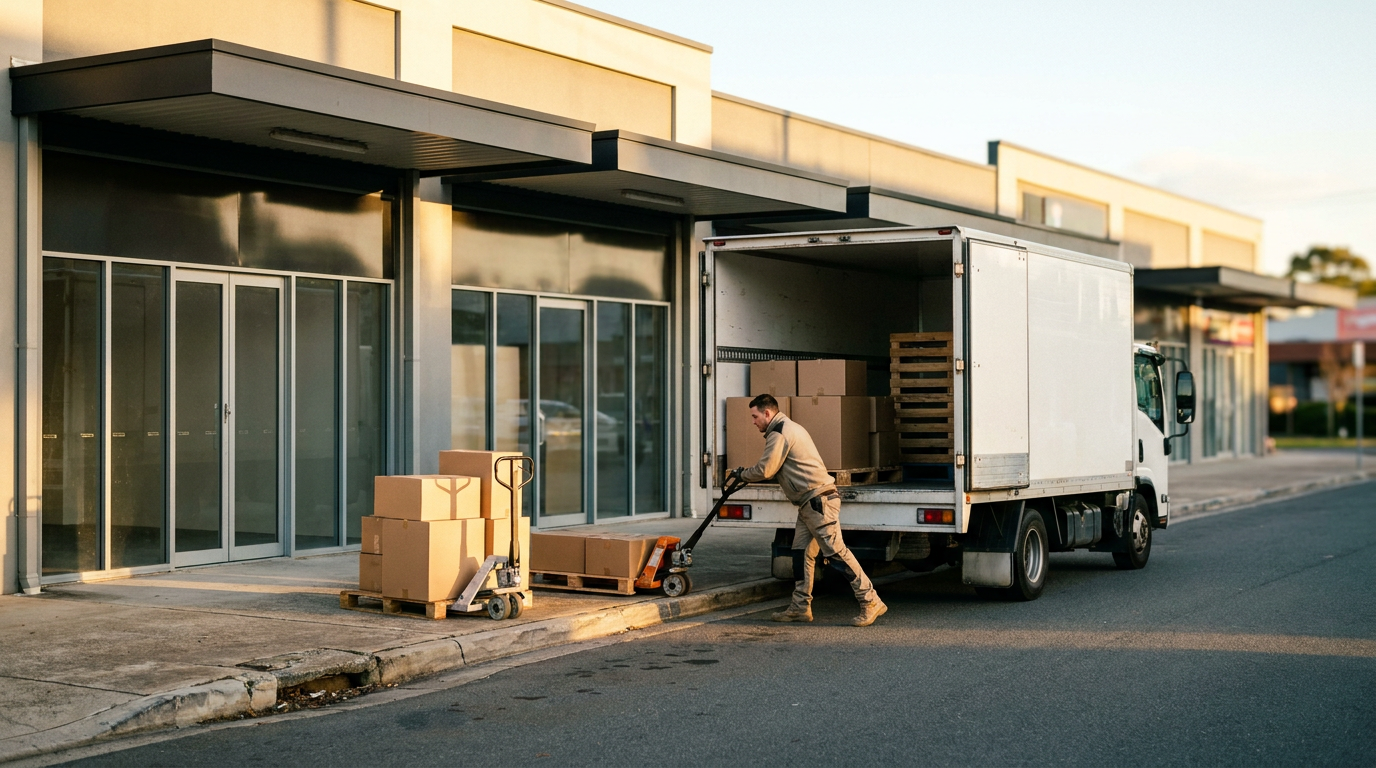
This isn't just a transport problem. Rising freight and fuel costs flow into every industry that depends on goods moving across the country. As franchisors and business owners, we are all affected.
Why This Hits Franchise Networks Harder
If you run a very large business, you can absorb a short-term cost spike and figure it out quietly. But when you run a franchise network, where franchisees do not have the same resources and financial backing, every site in your system is at risk.
Say you have 20 franchised locations all relying on the same supply chain. When freight costs go up, they go up across all 20 franchises. Your franchisees' margins, which might have already been tight, get squeezed from both sides: higher costs to get products to your stores, and customers who are being more careful with their spending.
This is especially real for food, retail and product-based networks where physical goods need to move regularly. The longer your supply routes, the bigger the impact.
You might have seen that Domino's Pizza recently moved away from heavy discounting specifically to protect franchisee margins. That's a franchise network making a deliberate pricing decision because they recognised the status quo wasn't going to work anymore. You don't have to agree with their approach, but it shows that sitting still and hoping things settle isn't really an option right now.

Three Things You Can Do Right Now
The DC Strategy team work with franchise networks at every stage of growth, and the ones that handle disruptions like this well tend to do three things early.
1. Know where you're exposed.
Take a proper look at your supply chain. Which locations and which products are most affected by freight cost and delivery time increases? Where are your longest supply routes? Where are you most reliant on imports or interstate freight? If you don't have a clear picture of this today, that's the first thing to sort out. You can't fix what you can't see.
2. Talk to your franchisees.
This sounds obvious, but it's the step that gets skipped the most. Find out who's feeling the pinch. Share what you're seeing across the network. In our Franchising Lens article on Franchising Through Economic Uncertainty, I talked about how the best franchisors lean in during difficult periods rather than going quiet. Your franchisees need to hear from you right now, not in three months when the damage is done.
3. Look at your pricing.
If your margins are getting thinner, it's better to make a considered adjustment now than to be forced into a reactive one later when losses have already been affecting your franchisees' ability to trade. Think about what you can change in your offer rather than just putting prices up. And use your network. Even a 20-site franchise has more negotiating power with suppliers and logistics providers than any single operator. That's one of the core advantages of being in a franchise system. Use it.
What We're Seeing from Here
One thing worth noting: the Australian government's $23 billion "Future Made in Australia" program has allocated almost no funding toward the supply chain issues being felt across the country right now. Most of it is earmarked for net zero energy transition. That's a separate conversation, but it does mean that franchise networks can't wait for external help. The response needs to come from within your own system.
We've been through cycles like this before with the networks we advise, and the pattern is consistent. The ones that move early, talk openly with their franchisees, and make smart adjustments to their operations and pricing come out of it stronger. The ones that wait tend to end up in crisis.
If you want the full strategic playbook on navigating this kind of pressure, have a read of our Franchising Lens article: Franchising Through Economic Uncertainty: Strategies for Growth. It covers the broader framework in detail.
And if you want to talk through how your network is positioned right now, we're here. Get in touch.
About James Young

James Young is the Managing Director of DC Strategy Group and a Certified Franchise Executive (CFE).
He leads the firm’s consulting, sales, and franchise development work, helping brands expand through end-to-end strategy, legal, recruitment, and marketing services
As a Certified Franchise Executive, James brings both expertise and a deep commitment to sustainable, values-led franchising. He sits on multiple advisory boards and is a trusted voice in the industry, regularly sharing insights on recruitment, strategic expansion, and long-term franchise success.
DC Strategy is Australasia’s leading end-to-end franchise consultancy, offering integrated legal, strategic, recruitment, and marketing services to help brands scale with confidence.